


How public policy, plant breeding, and patience changed the future of roses
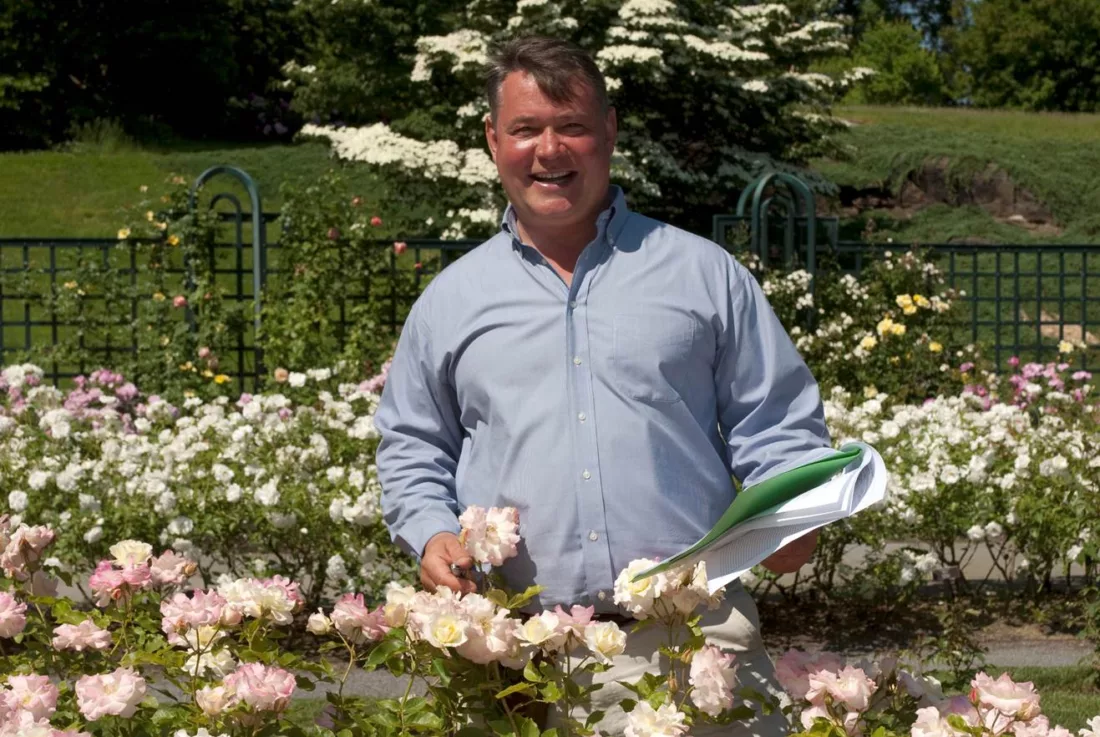
In 2008, New York State enacted new regulations banning pesticide use on government-owned land. For many public gardens, this was disruptive. For the Peggy Rockefeller Rose Garden at the New York Botanical Garden, it was transformational.
At the time, the garden maintained more than 650 rose varieties using chemical controls that had long been considered standard practice. When those tools were suddenly off the table, Peter Kukielski—then the garden’s rosarian-curator—was forced to confront a question many gardeners quietly avoided:
Could roses survive—and thrive—without chemicals?

Within two years, the answer was unmistakably yes. Kukielski redesigned the garden, tripled the number of rose varieties, and helped trigger a broader shift in how roses were bred, evaluated, and understood. What followed was not just a redesign of one iconic garden, but a rethinking of roses as a plant category.
This was not a trend. It was a precedent.

When regulation forces innovation
The pesticide ban meant Kukielski could no longer rely on fungicides and systemic treatments to control black spot, powdery mildew, and rust—diseases that had long shaped rose selection and maintenance. Instead, he had to work backward, asking which roses could succeed without chemical intervention.
That search was not without models.
In Germany, similar restrictions introduced decades earlier had already pushed breeders like Kordes to focus on genetic disease resistance rather than cosmetic perfection. In France, Meilland was pursuing the same goal—developing roses that bloomed generously, resisted disease, and held up in real-world landscapes, not just trial beds.
In the United States, Kukielski partnered with researchers from the Earth-Kind Rose Research Program at Texas A&M University, which had been testing roses under extreme conditions—no fertilizer, no pesticides, minimal irrigation. Roses that thrived there were not coddled. They were resilient.
The results translated. Roses that performed in Texas also proved capable of thriving in the Northeast under reduced-input conditions.

Redefining what “good” roses look like
The shift toward sustainable roses required more than new plants. It required new expectations.
For generations, rose culture had been shaped by fragility. If a rose struggled, gardeners blamed themselves. Kukielski flipped that script.
In his words: “Failure isn’t your fault.”
The problem, he argued, was not gardeners—it was plant selection. For decades, the industry had prioritized novelty, form, and bloom size over resilience. Sustainability demanded a different metric of success.
To support that shift, Kukielski helped establish the American Rose Trials for Sustainability, a network of observational trials across the country—including sites in Connecticut, Maine, and at Cornell University. These trials evaluated roses not for perfection, but for performance over time.
The goal was simple: identify roses that earn their place in the landscape.
Roses as a case study in cultural change
What happened at the Peggy Rockefeller Rose Garden matters far beyond roses.
This story sits at the intersection of public policy, horticultural science, and cultural habit. When regulations removed an easy solution, innovation followed. Breeders adapted. Gardeners learned. Expectations shifted.
Today, roses no longer need to be feared as fragile, chemical-dependent divas. With thoughtful selection, they can function as durable, low-input shrubs—appropriate for home gardens, public landscapes, and ecological systems that demand restraint rather than excess.
The lesson here is not about any single rose. It’s about what happens when systems change—and plants are allowed to catch up.

Resources
Proven disease-resistant roses and trials
The following roses are included as reference examples, not prescriptions. Each has demonstrated strong performance under low-input or no-spray conditions and represents different breeding strategies that emerged from the sustainability shift outlined above.


Selected roses with demonstrated resilience
- Rosa ‘Brothers Grimm’ (Kordes)
Clustered blooms with strong disease resistance and long seasonal interest. - Rosa ‘Cinderella’ (Kordes)
Soft pink, full flowers with excellent trial performance and low maintenance needs. - Rosa ‘Crimson Meidiland’ (Meilland)
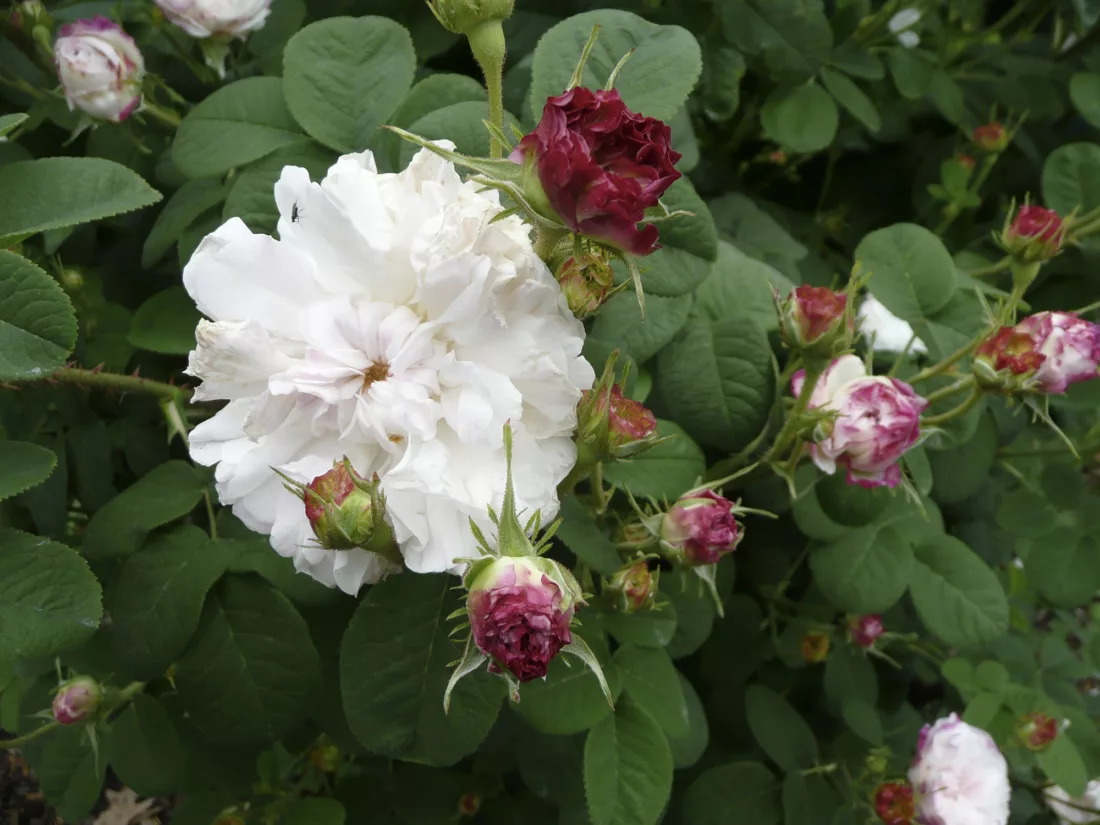
A reliable groundcover rose suited to mass planting and public landscapes. - Rosa ‘Madame Plantier’ (Alba rose, historic)
Once-blooming, hardy rose illustrating pre-chemical breeding resilience. - Rosa ‘Blush Knock Out’ and ‘Pink Knock Out’ (Radler)
Widely available, durable shrubs requiring minimal intervention. - Rosa ‘Coral Drift’ (Meilland)
Compact, winter-hardy rose appropriate for containers and small spaces. - Rosa ‘Kosmos’ (Kordes)
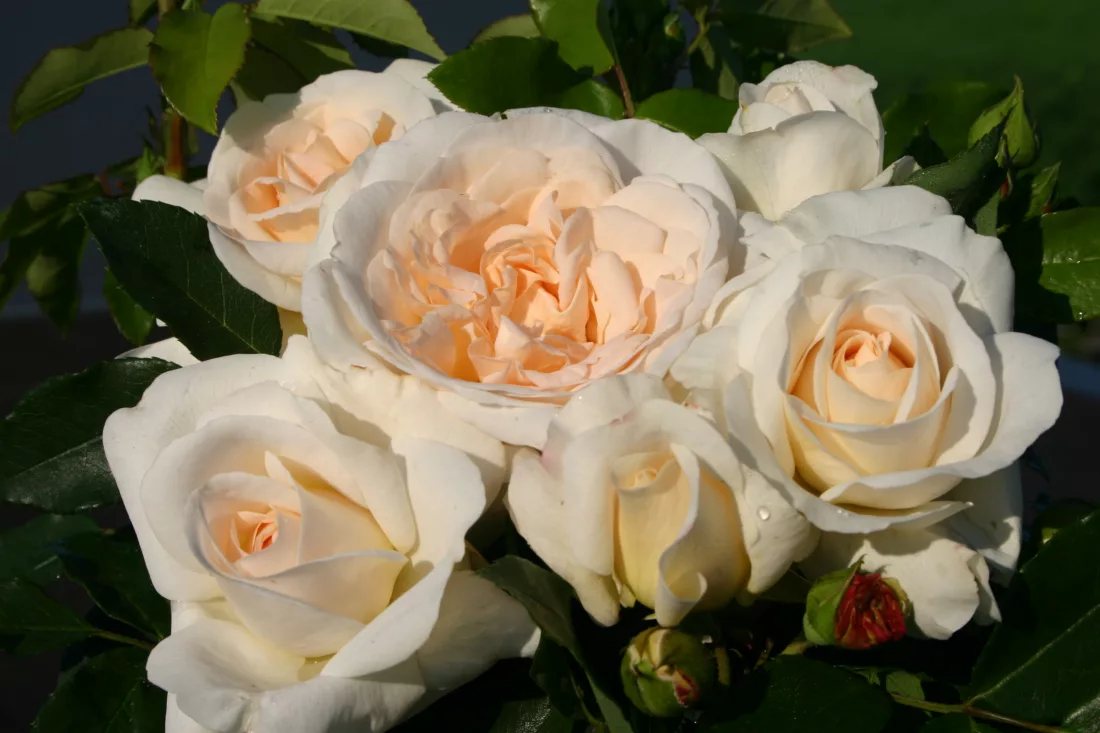
Robust shrub with creamy white flowers and strong disease resistance.

Trials and further reading
- American Rose Trials for Sustainability (ARTS)
americanrosetrialsforsustainability.org - Earth-Kind Rose Research Program
Texas A&M University - Roses Without Chemicals by Peter Kukielski
A foundational text documenting this shift in modern rose culture
Basic Rose Care: (With Better Plants, Little Else is Needed)
- Roses need sun, at least six hours a day.
- Roses need good soil enriched with compost, and a layer of mulch after planting.
- Roses need consistent water, especially the first year or two after planting. The soil should
drain well so the roots do not rot. - Maintain the roses every year with a helping of an organic fertilizer like Rose Tone, and a
renewed layer of compost and mulch.
Learn more about America’s Rose Trials for Sustainability at americanrosetrialsforsustainability.org.
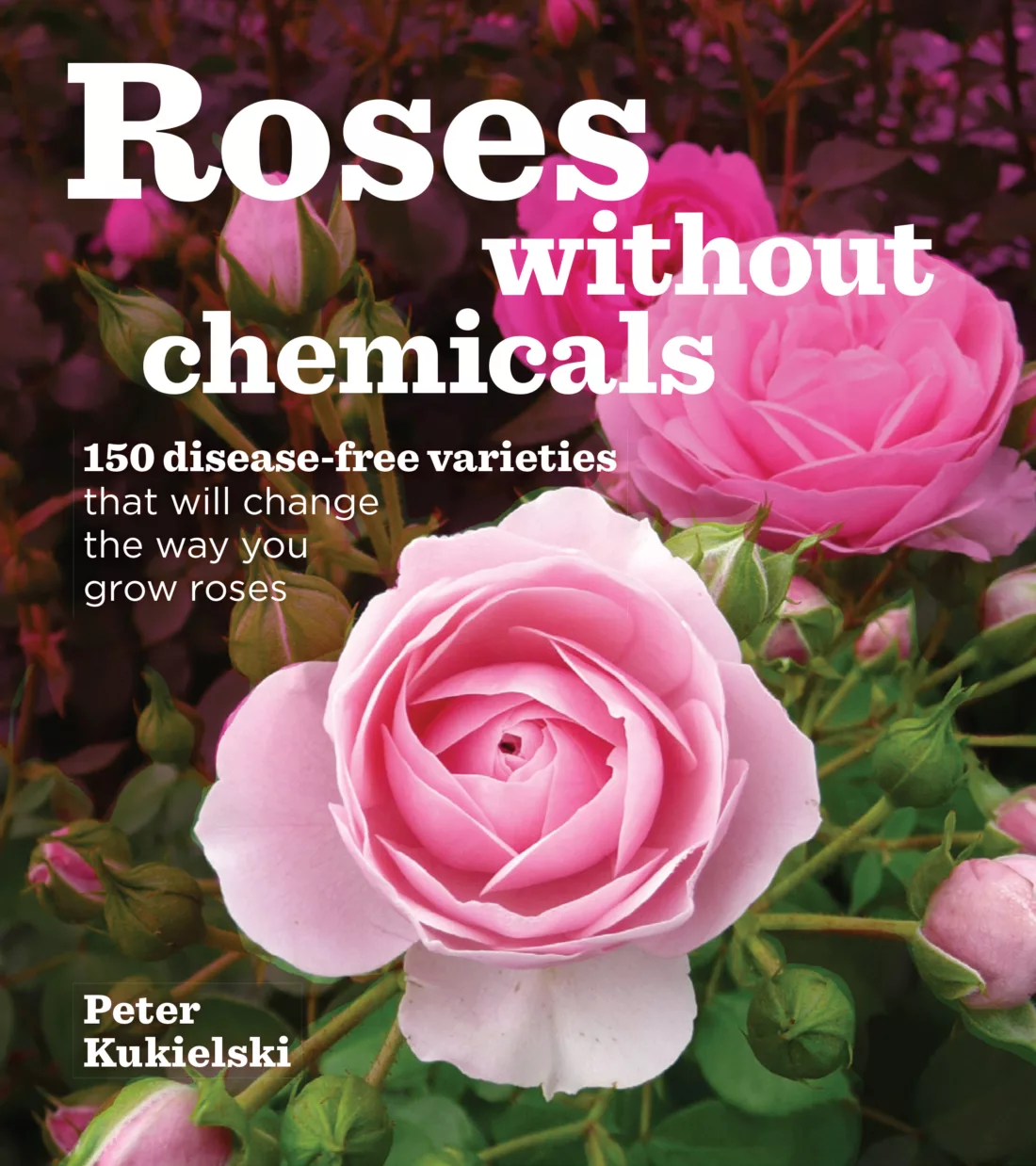
For more great varieties of eco-friendly and sustainable roses that do not require herbicides and pesticides, Check out Peter Kukielski’s book – Roses Without Chemicals: 150 Disease-Free Roses That Will Change the Way You Grow Roses.
This article draws from reporting originally published in the Spring 2015 print issue of PITH + VIGOR, updated and reframed for context.
Share this post!
Download the Spring 2015 Issue (Digital)
+comments+