


Spring is one of the most difficult seasons for people with allergies. Pollen counts rise, symptoms flare, and many of us brace ourselves for weeks of congestion, headaches, and breathing trouble. What’s less widely understood is why this has become so much worse than it once was.
If it feels different than it did a generation ago, you’re not imagining it.
Rates of pollen-related allergies and asthma have increased dramatically, particularly in urban and suburban areas. One contributing factor sits at an unexpected intersection of horticulture, planning, and cultural values—what landscape researcher Thomas Leo Ogren has long described as botanical sexism.
Ogren’s work looks at how decades of planting decisions—made in the name of cleanliness, convenience, and aesthetics—have quietly reshaped the landscapes we live with, and with them, the air we breathe.
I’m personally attuned to this subject. I live with allergies myself, and I know how persistent, low-grade illness can wear you down. What interested me about Ogren’s research wasn’t just the science, but the way it exposes how cultural preferences become physical realities.
How we planted ourselves into a problem
In natural ecosystems, most dioecious plant species—those with separate male and female plants—exist in balance. Male plants produce pollen. Female plants receive it, and in doing so, remove pollen from the air.
Beginning in the mid-20th century, that balance was intentionally disrupted.
Breeders, arborists, planners, and consumers increasingly favored male trees and shrubs. Female plants were labeled “messy” because they produced fruit, seeds, or pods. Maintenance concerns won out, and over time, male plants were selected almost exclusively for streets, parks, and residential developments.
Even the USDA reinforced this thinking. A 1949 yearbook advised avoiding female trees for street plantings “to avoid the nuisance from the seed.”
The long-term consequence of that decision is now unavoidable. Male plants produce pollen, and lots of it. Female plants produce none—and actively capture pollen from the air. When landscapes are dominated by male plants, pollen loads rise dramatically.
This wasn’t malicious. It was efficient. It was tidy. And it was deeply unexamined.
What the science shows
Through decades of observation and research, Ogren developed the Ogren Plant Allergy Scale (OPALS®), which ranks plants from 1 to 10 based on their allergy potential. A score of 1 indicates minimal allergenic impact. A score of 10 represents extremely high pollen production and irritation.
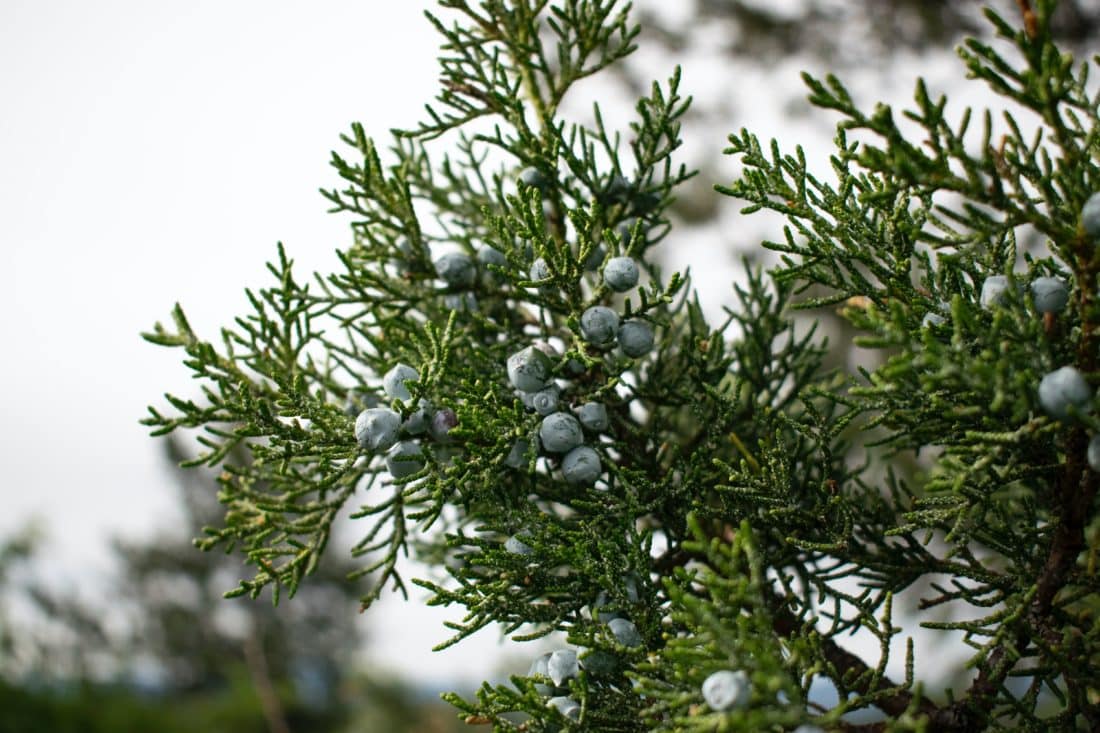
The difference between male and female plants of the same species can be striking. A female juniper, which produces berries, has an OPALS rating near the bottom of the scale. A male juniper—chosen precisely because it does not produce fruit—ranks at the top.
Multiply that pattern across cities and suburbs, and the result is a landscape that amplifies pollen exposure year after year.
As with most systems, imbalance carries consequences.Spring is one of the biggest allergy seasons but do you know why? It’s botanical sexism.
Why this is a cultural issue, not just a horticultural one
What makes this story compelling isn’t simply that certain plants cause more allergies. It’s that our landscapes reflect priorities we rarely stop to question.
We chose tidy over resilient.
Low maintenance over long-term health.
Short-term convenience over cumulative impact.
Those choices were made at scale, and they continue to shape daily life in ways that are both invisible and deeply physical.
Progress has been made. Some public health departments now acknowledge the role of planting choices in allergy and asthma prevalence. Awareness is growing among designers and planners. But many nursery professionals, landscapers, and municipalities still don’t consider plant sex or pollen load when making selections.
This isn’t about blame. It’s about understanding that landscapes are not neutral. They carry the imprint of the values that shaped them.
Gardens and public plantings don’t just reflect culture—they participate in it.
Where this leaves us
What we plant matters. Not only aesthetically, but biologically and socially. The air we share is shaped by decisions made decades ago, often by people who never had to live with their consequences.
That doesn’t mean the problem is unsolvable. It means it’s cultural. And cultural problems can change.
They just require us to notice what we’ve been normalizing.
Further reading and resources
More information on plant allergy potential and OPALS rankings can be found through Thomas Ogren’s work (at website: Allergy Free Gardening), including:
- The Allergy-Fighting Garden: Stop Asthma and Allergies with Smart Landscaping
- Allergy Free Gardening The Revolutionary Guide to Healthy Landscaping
Photos by Ralfs Blumbergs and caleb pudewell on Unsplash
Related Posts:
Beyond OPALS – 5 Easy and Practical Ways To Reduce Garden Allergens
+comments+