


Designing for yourself is hard.
Not because you lack ideas — but because you probably have too many.
If you’re someone who loves wildly different styles, plants, and references — who can admire a clipped parterre and a riotous meadow with equal enthusiasm — choosing a direction can feel paralyzing. I know this feeling well. Appreciation is easy. Decision-making is not.
Landscape design only amplifies this problem. The field is vast. There are millions of plants, infinite combinations, and fewer physical constraints than architecture. And then there’s the kicker — gardens don’t sit still. You design them once, and then they grow, change, surprise you, and occasionally undo your best intentions.
No wonder it can feel overwhelming.
The Shift That Changes Everything
When the options feel endless, narrowing by hard facts — climate, soil, maintenance capacity — helps, but it rarely goes far enough. What’s missing is a change in role.
Instead of thinking of yourself as a homeowner looking for solutions, try thinking like a curator.
That mental shift creates just enough distance to quiet the noise. It replaces emotion-driven accumulation with intentional selection. It turns design from “What should I buy?” into “What belongs here?”
What Garden Curation Really Means
In museums, curators don’t display everything they admire. They build collections around ideas. They edit. They establish narratives. They decide what matters — and just as importantly, what doesn’t.
Gardens work the same way.
A curated garden is not about perfection or trendiness. It’s about coherence. It’s a place where plants, materials, and spaces relate to one another because they’re answering the same underlying question.
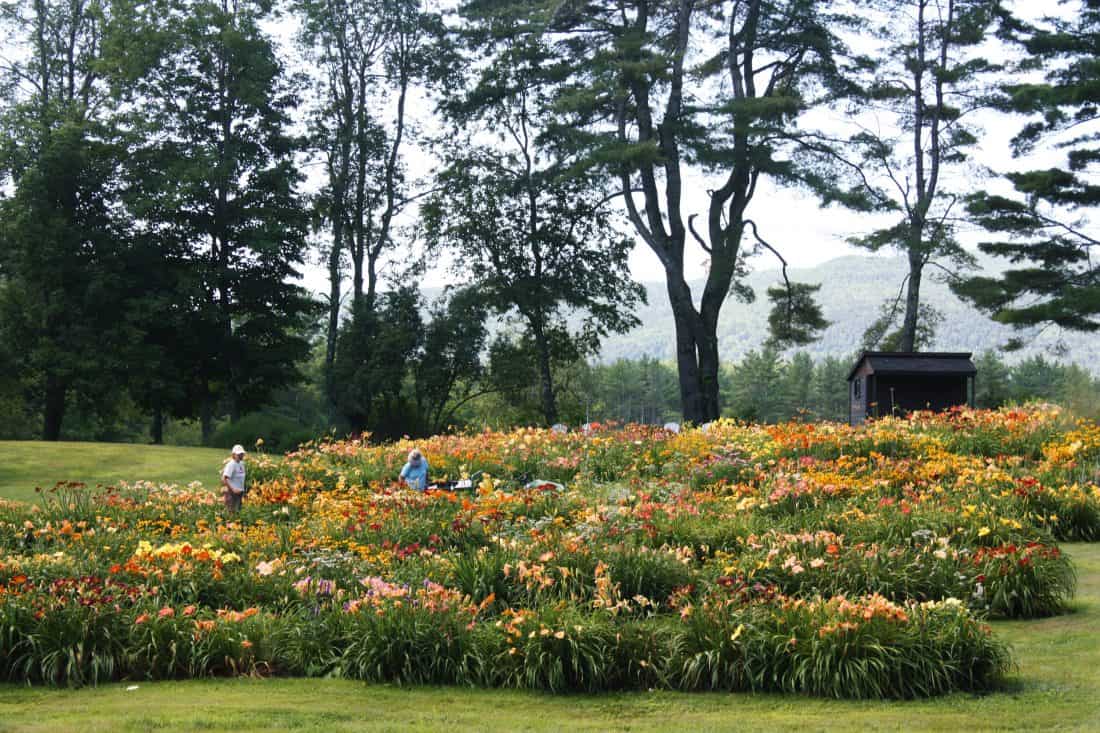
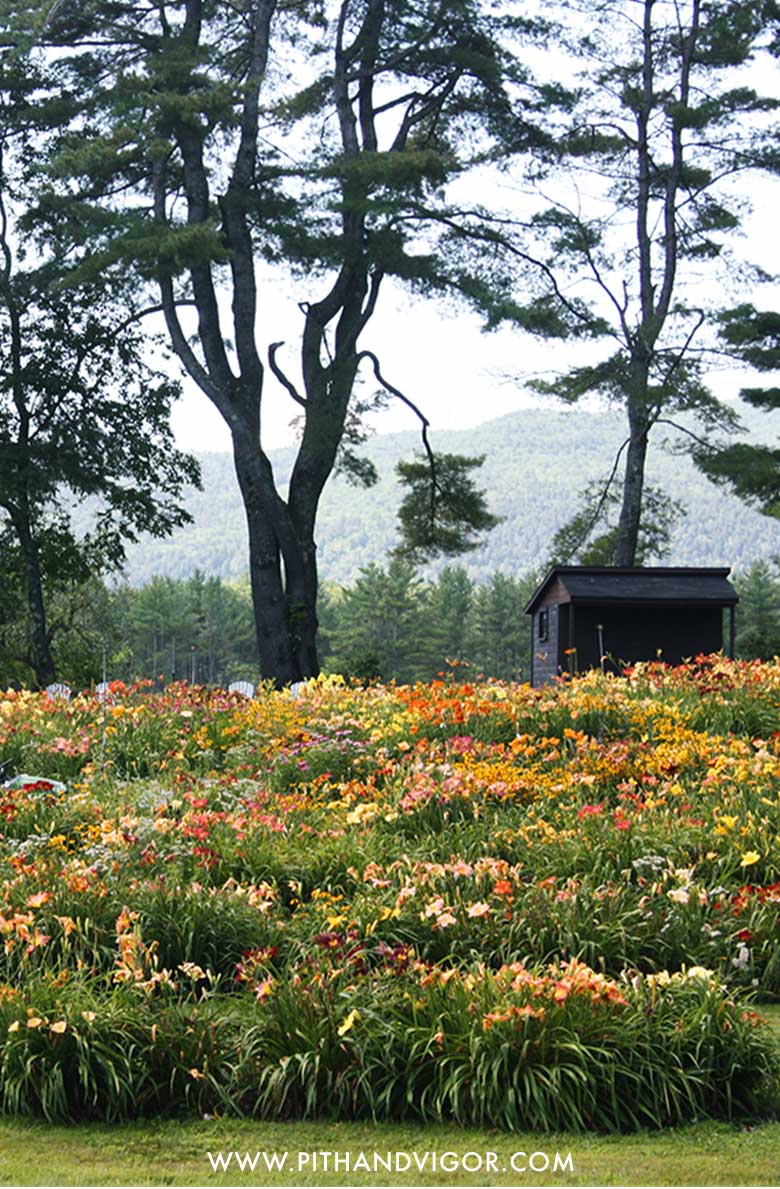
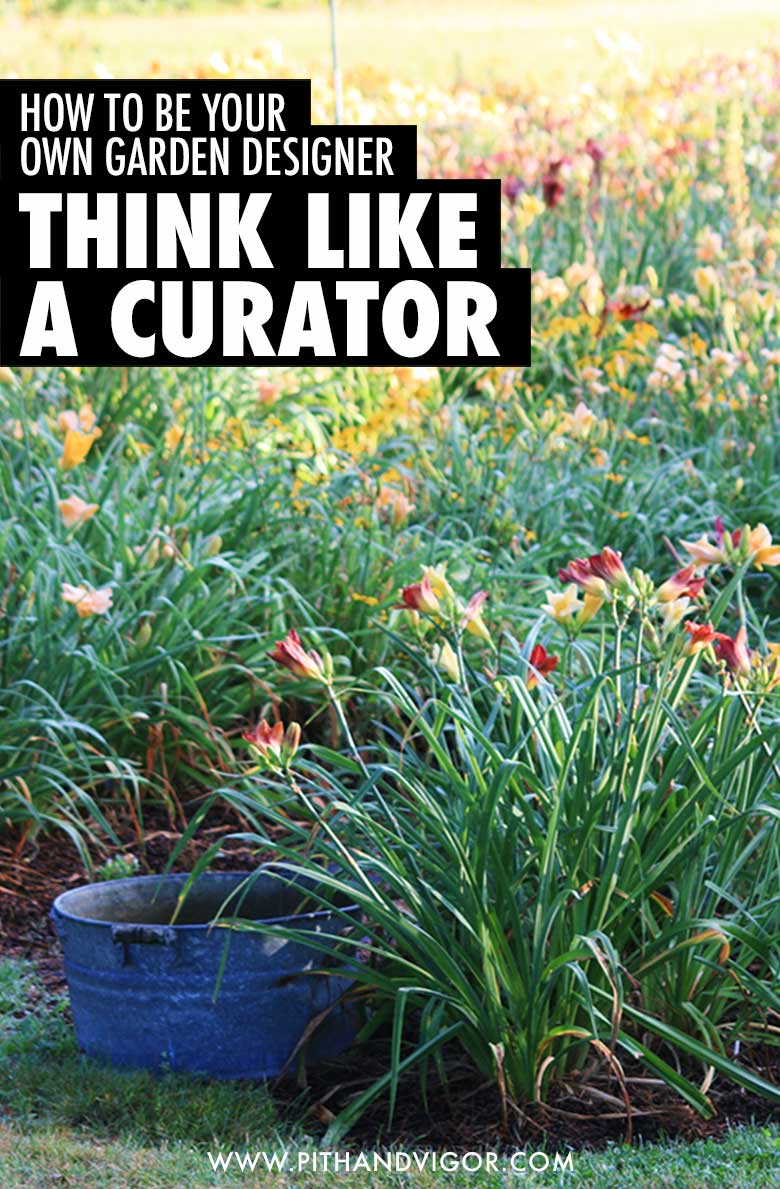
I’ve seen this most clearly in private gardens built around deep, personal interests — like a lakeside garden near Squam Lake, New Hampshire, where the owner has assembled a remarkable collection of rare daylilies. The power of the garden isn’t just the plants themselves, but the clarity of intent behind them.
Start With Story, Not Stuff
Every compelling garden tells a story.
That story might be about a color, a material, a region, or a moment in time. It might reflect the history of the land, the architecture of the house, or the people who live there. The specifics don’t matter as much as the fact that a narrative exists.
Story gives design decisions hierarchy.
Without it, choices are arbitrary.
With it, even simple elements feel intentional.
Follow What You Value — Not What’s Trending
Curation requires restraint.
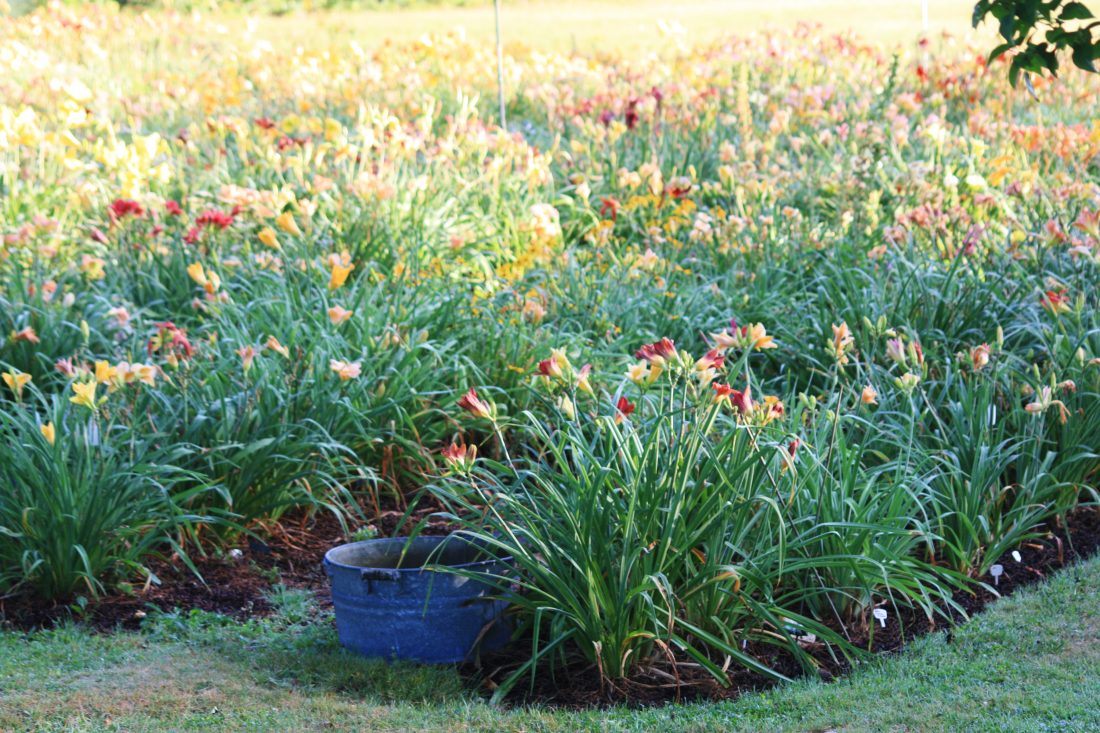
Collect what genuinely excites you. Resist the pull of whatever happens to be popular this season. Trend-following leads to gardens that age quickly and feel strangely hollow, no matter how polished they look at first.
If you’re passionate about something — a plant genus, a material, a style that isn’t currently fashionable — lean into it. Depth is always more compelling than breadth.
Be Selective, On Purpose
Collections get unruly when nothing is edited out.
Being picky isn’t elitist — it’s practical. Choosing fewer, better elements makes gardens easier to maintain and more satisfying to live with. Invest in what truly matters to you. Let everything else go.
Go Deep, Not Wide
You don’t need to know everything about gardening. But whatever you choose to work with, learn it well.
If hydrangeas fascinate you, study them. Learn their habits. Talk to growers. Experiment. Over time, you’ll begin to see subtleties others miss — better varieties, smarter placements, unexpected opportunities.
Expertise, even on a small scale, transforms a garden. It allows you to design with confidence instead of guesswork.
Display With Intention
Curation isn’t just about selection — it’s also about presentation.
Group like with like. Use structure to highlight what’s special. Reimagine materials. Paint, frame, repeat, contrast. Gardens, like exhibitions, benefit from moments of emphasis and pause.
When elements are displayed thoughtfully, their value becomes legible — to you and to everyone who visits.
How to think like a curator in the garden?
People who put together displays for museums have a big job, too. They must come up with an idea – and then build a narrative around it and execute it to (hopefully) tell a story or create an event that will educate and entertain people. There are a lot of similarities in creating an enjoyable and exciting garden. You can use curatorial thinking to help you start making your own garden.
…..
Gardens don’t become meaningful by accident. They become meaningful when someone decides what matters and builds from there.
Thinking like a curator won’t limit your creativity.
It will give it direction.
Learn more in my garden design basics series:
- Garden Design Basics: Using Shapes to Inspire Your Design
- Garden Design Basics: Play With Scale
- Garden Design Basics: Serpentine Walls
Related Posts:
Images: Rochelle Greayer
Share This Post:
+comments+