


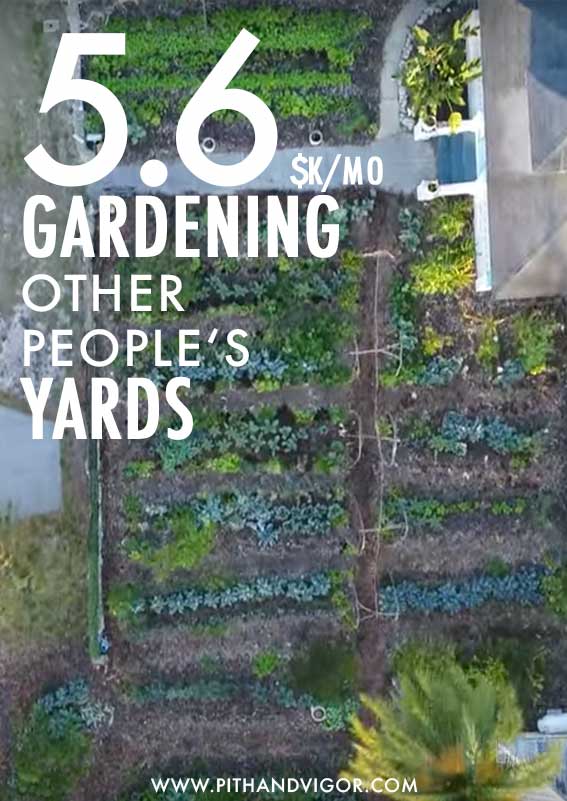
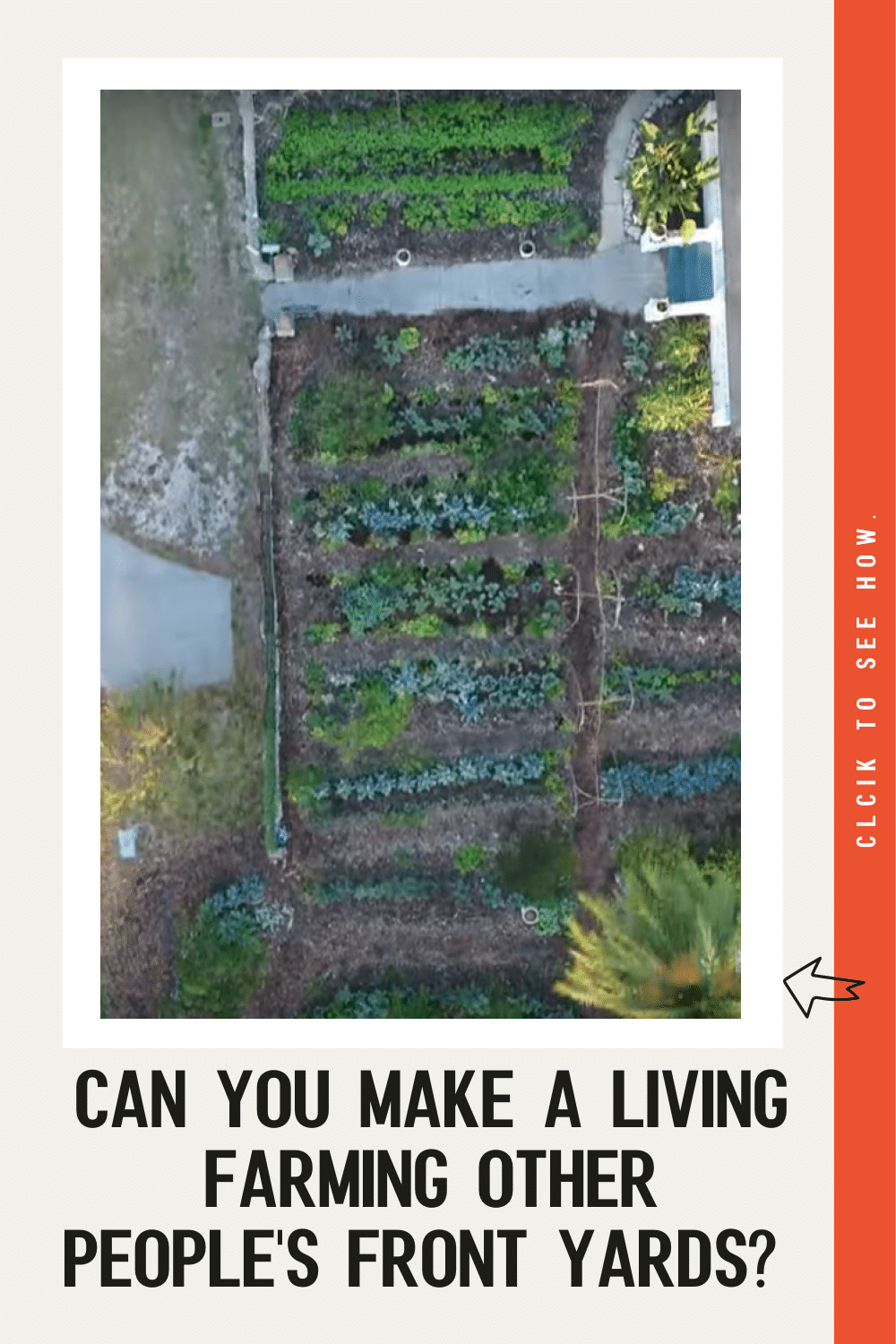
Can you make a living farming other people’s front yards?
Jim Kovaleski is a nomadic gardener, and he proves that the answer is yes.
Yes — it’s possible to make a life and a living feeding your neighbors on land you don’t own.
Do I want to make my living farming other people’s front gardens?
Not really. My own garden already exhausts me. But I would absolutely support someone who wanted to use my land to build a small, local market business. If you’re in Central Massachusetts and interested, let’s talk — I’ve got space.
More than that, I’d love to see an economic and cultural shift that makes this kind of life and work more viable for more people.
When I think about why we aren’t there yet, the barriers come into focus quickly.
Access to affordable healthcare is an obvious one. A basic social safety net matters more than we like to admit, especially when we romanticize risk-taking and “simple living.”
Then there’s the larger infrastructure around local food — distribution, affordability, composting, shared resources. Community compost programs, for example, would make an enormous difference if they were widespread instead of rare.
So what would it actually take to make this kind of front-yard farming less of an exception and more of a realistic option?
What systems would need to change — culturally, economically, politically — for this to feel less like a utopian experiment and more like a normal, supported choice?
This video is part of The Great American Farm Tour, a vlog series by Justin Rhodes, and it’s well worth watching.
This video is part of a great vlog series by Justin Rhodes called The Great American Farm Tour.
Related Posts:
Exploring Skirret and Perennial Vegetables
10 Great heirloom Seed Companies
Keywords:
- local food systems
- front yard farming
- alternative agriculture models
- community food production
- land access and farming
- sustainable livelihoods
- urban and suburban agriculture
- food systems and equity
- Optional secondary keywords (internal search or related posts):
- small-scale agriculture
- regenerative food systems
- informal land use
- neighborhood farming
+comments+