


The Original Before-and-After
I love a good before-and-after. Few things capture the weight of design work so clearly—or so convincingly. You see effort, intention, and consequence all at once.
What surprised me, though, is realizing that this most modern of design tools is anything but modern.
Long before photography, British landscape designer Humphry Repton was already using before-and-after imagery to sell ideas. And not casually—meticulously, persuasively, and with extraordinary flair.
Repton worked in the late 1700s, during the transition from formal, geometric gardens to the more naturalistic landscapes of the Romantic era. But what makes him fascinating isn’t just his taste. It’s how he communicated change.
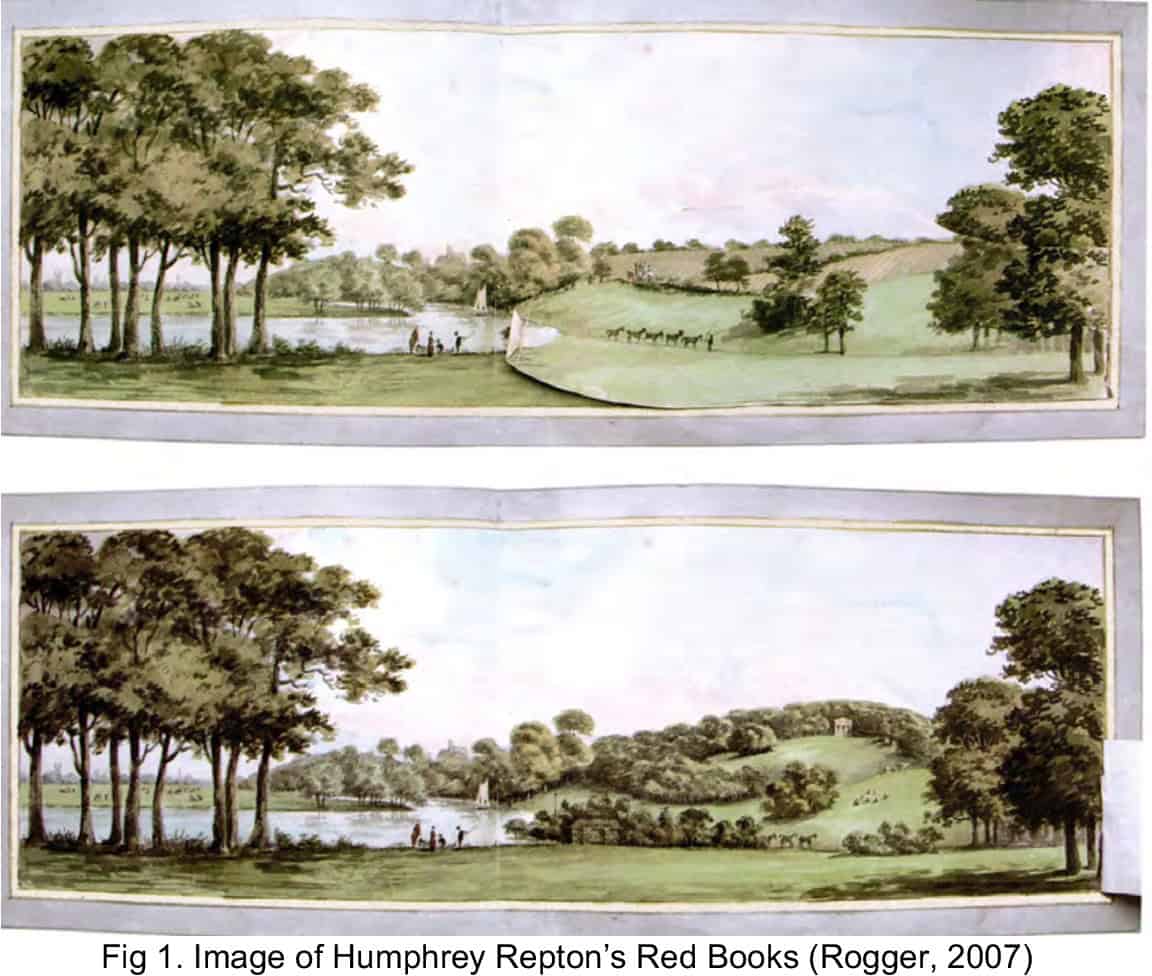
Repton’s Real Innovation Wasn’t Style. It Was Storytelling.
Repton is best known for his Red Books—custom, leather-bound volumes he created for individual clients. Each one functioned as a proposal, a vision, and a sales tool all in one.
If we’re being honest, they were pitch decks.
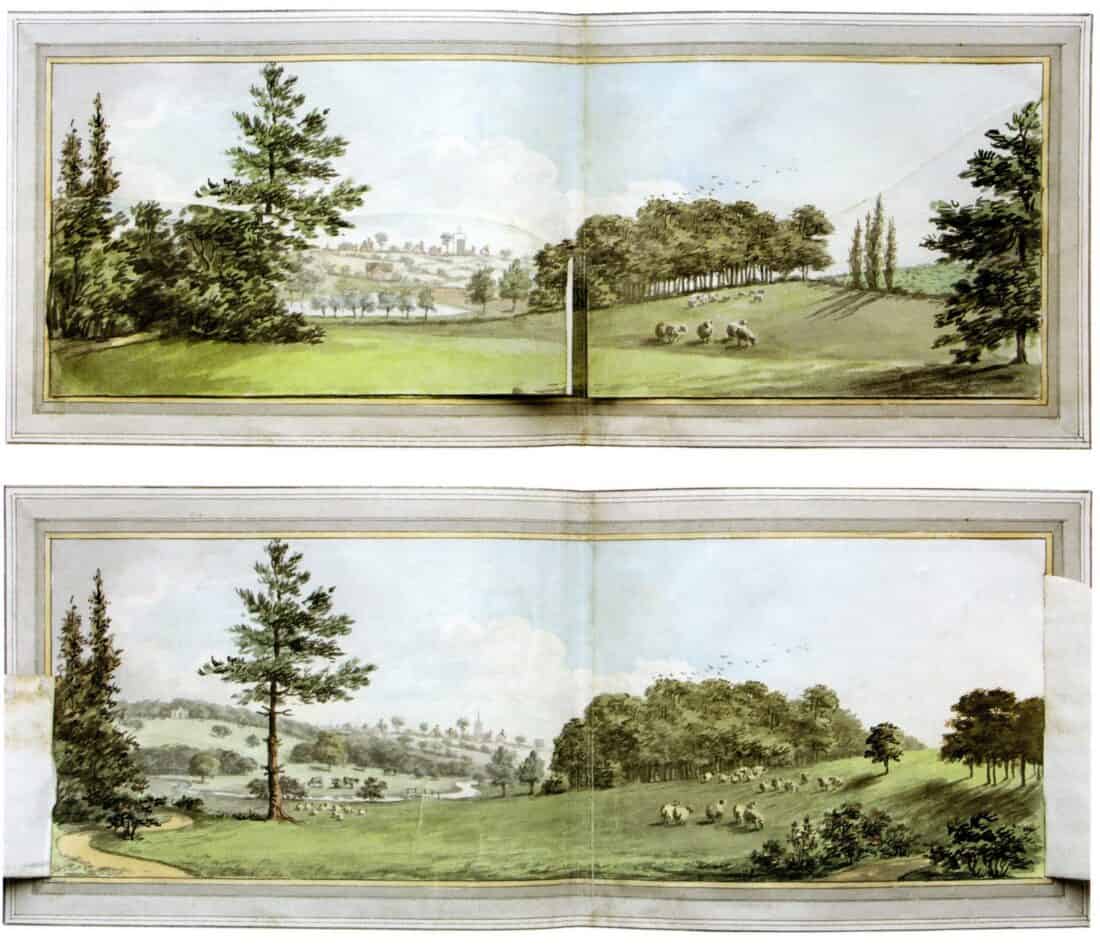
Inside were watercolor views of the existing landscape—paired with overlays and flaps that could be lifted to reveal Repton’s proposed improvements. A hedge removed. A river softened into an elegant curve. A stand of trees repositioned just enough to frame a borrowed view.
You didn’t just see the future. You experienced it.
This was design as persuasion—quiet, visual, and incredibly effective.
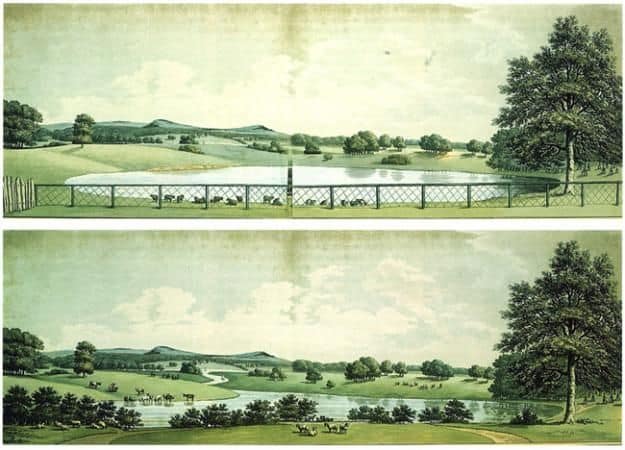
The Red Books Weren’t Just Pretty. They Were Strategic.
Each Red Book combined:
- A clear assessment of existing conditions
- Visualizations of proposed change
- Written justification for those decisions
- Practical guidance for execution
Repton didn’t just show what he wanted to do. He explained why it would work—and why it would feel inevitable once seen.
In other words, he understood something many designers still struggle with:
ideas don’t move forward on merit alone. They move when people can imagine living with them.
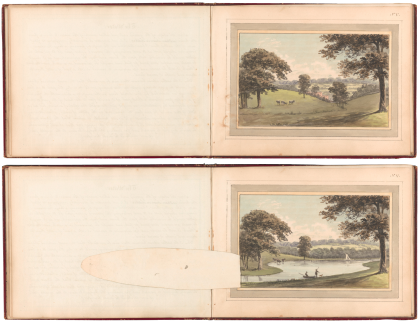
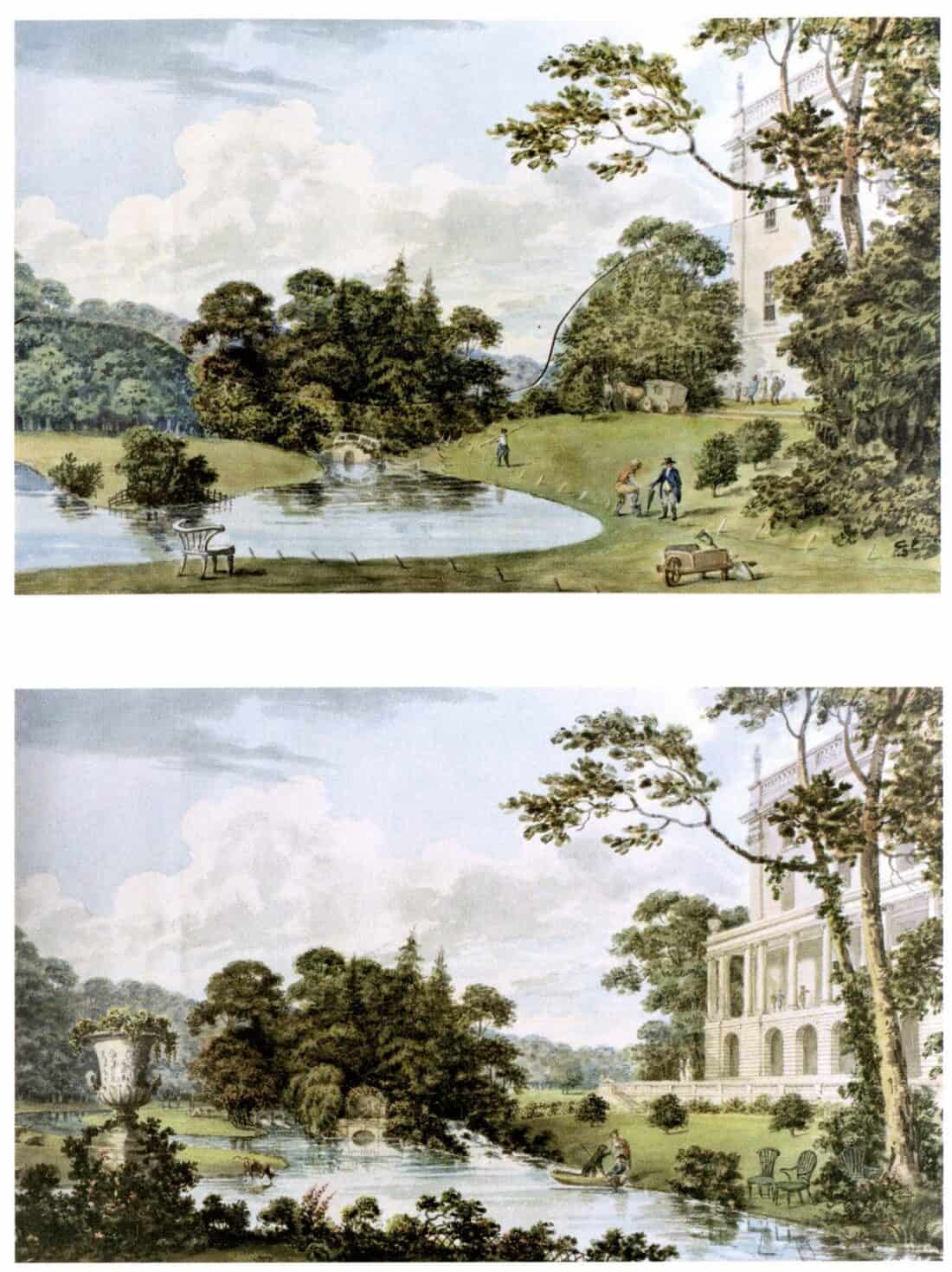
England Isn’t “Naturally” Perfect. It’s Edited.
If you’ve spent time in the English countryside, you’ve probably felt it—the uncanny sense that everything is just a little too right. The rivers curve beautifully. The hills roll obligingly. The trees seem perfectly placed.
Repton helps explain that feeling.
Those landscapes weren’t discovered. They were composed—reworked over centuries by designers who knew how to soften, frame, and borrow from what already existed.
The “before” images in Repton’s drawings aren’t disasters. They’re simply less resolved. Less intentional. Less edited.
That’s comforting.
It reminds us that what we often mistake for timeless beauty is the result of accumulated decisions—made carefully, revised often, and passed down.
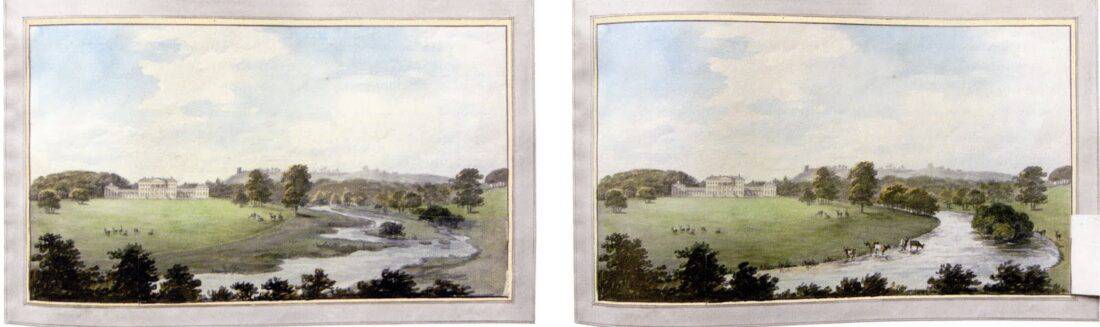
Why Repton Still Matters
Repton didn’t execute his designs himself. He sold the idea, then stepped back. That choice likely cost him financially compared to predecessors like Capability Brown—but it sharpened his focus on communication.
His legacy isn’t just the landscapes. It’s the method.
He understood that good design:
- borrows intelligently
- tells a coherent story
- makes change feel legible rather than disruptive
- and respects what’s already there, even while altering it
In that sense, Repton feels surprisingly contemporary.
The original before-and-after wasn’t about spectacle.
It was about helping people see differently.
That’s still the work.
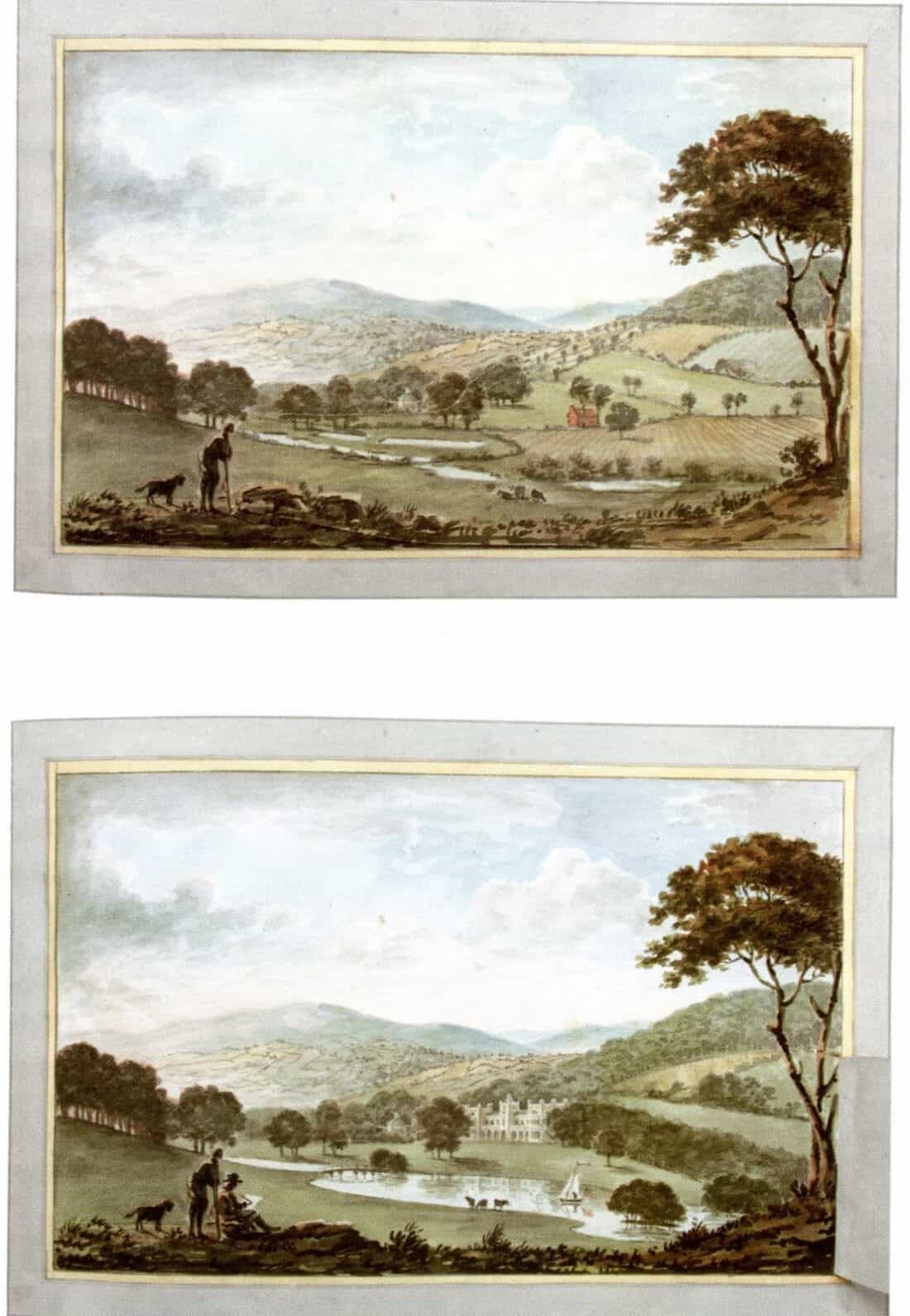
If you look closely, you can see where he cut tabs into the drawings so that the new idea or concept could be folded back right on the page. (look closely at the two images above, where you can see the outlines of the lift-off tabs). I have seen some amazing artistry come from designers when they are making idea presentations, but this is perhaps the most amazing.
It also explains a few things. When in the English countryside, I have so many times marveled at how perfect it all seems. Rivers run in big, beautiful arcs, and the hills roll elegantly into each other with stately trees dotted around perfectly. Now I wonder if perhaps Mr. Repton had his hands all over the countryside – more than we know – or maybe all the Repton wannabes continued the job after his death.
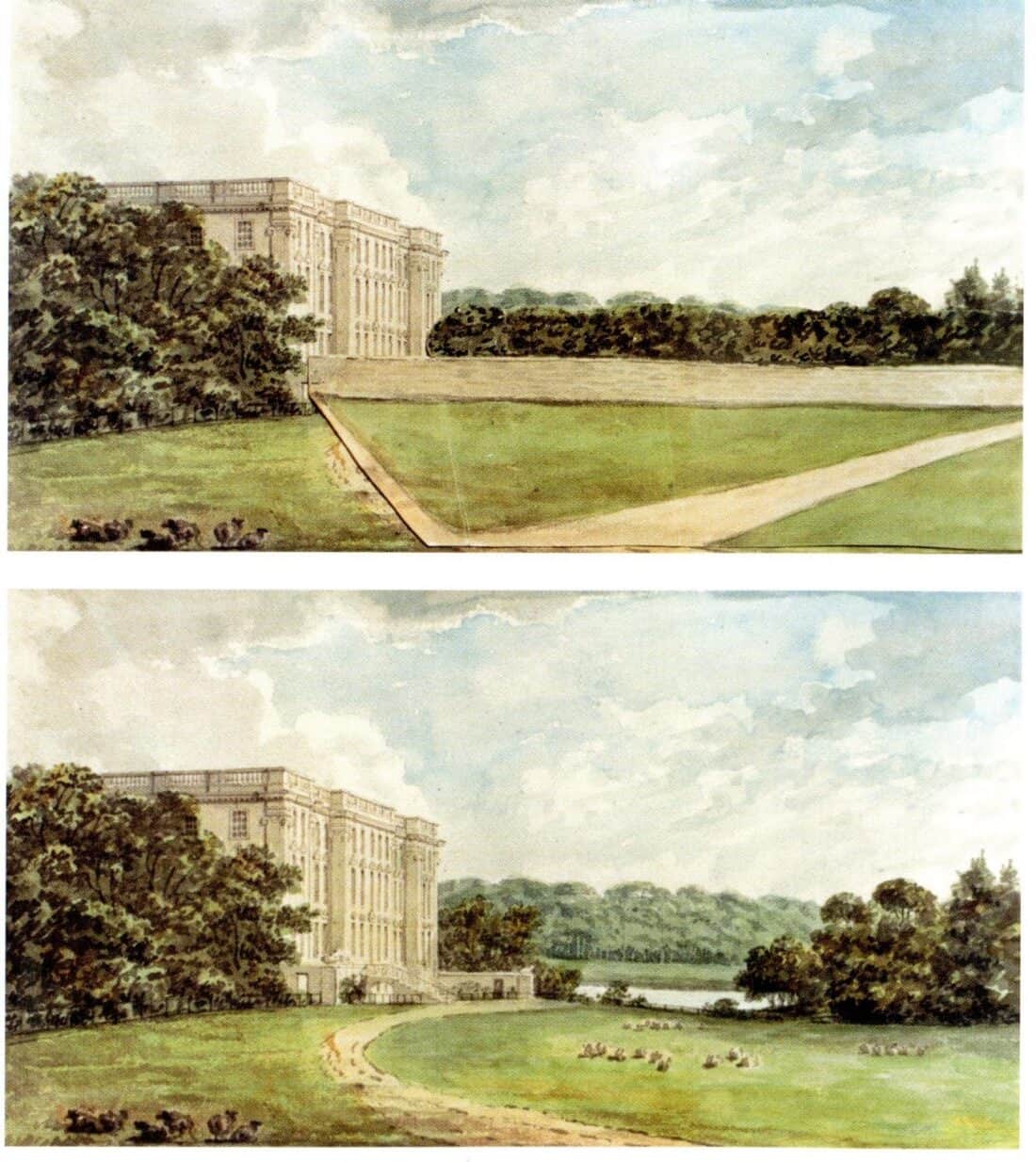
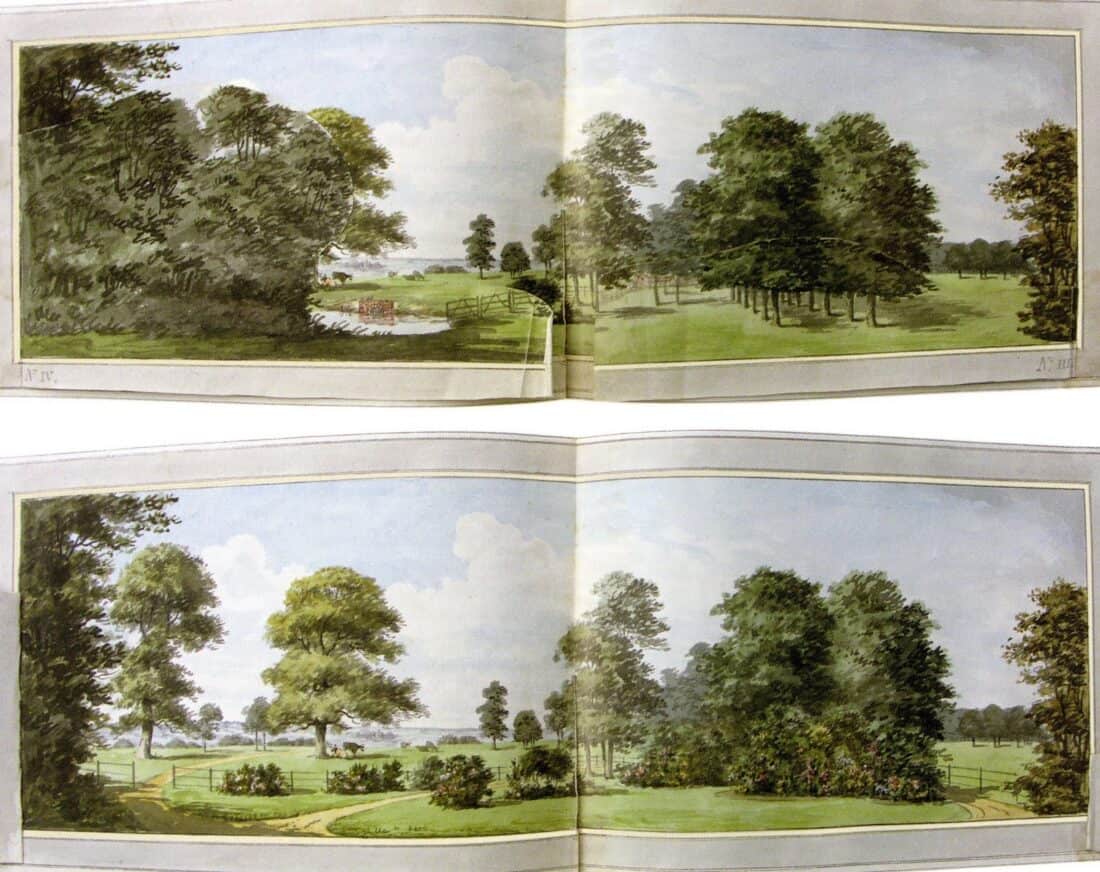
The before scenes are by no means hideous, like urban brownfield sites that are so fun to see transformed into lush gardens. But they aren’t quite as perfect as I have come to expect from England. It makes me feel better to remind myself that these gardens and views have been manipulated for centuries and that there might not be a piece of dirt in the whole country that hasn’t been altered by some decent level of skilled gardener.
If you want to check out more of the contents of Humphry’s red books, you can take a virtual tour on The Morgan Museum’s website where two complete red books are presented.
I also find it really interesting that Repton was known for borrowing. For example, he would alter the landscape so that a church steeple in the distance would be part of the pastoral scene or someone else’s trees could help frame the picturesque view.
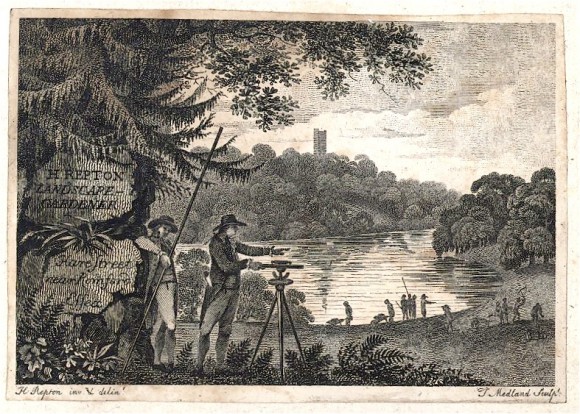
Oh– and check this out — his business card. I may need to take some inspiration from that.
images: The Morgan
I loved looking at some of these books at the Houghton Library last time I was there! 300 years later, they are still a good idea for presenting landscape ideas.
Nice articvle! Here’s a link to one of mine on a visit to Sheringham Park, Norfolk, one of Reprton’s finest landscapes! http://wp.me/p2XHES-21T 🙂